
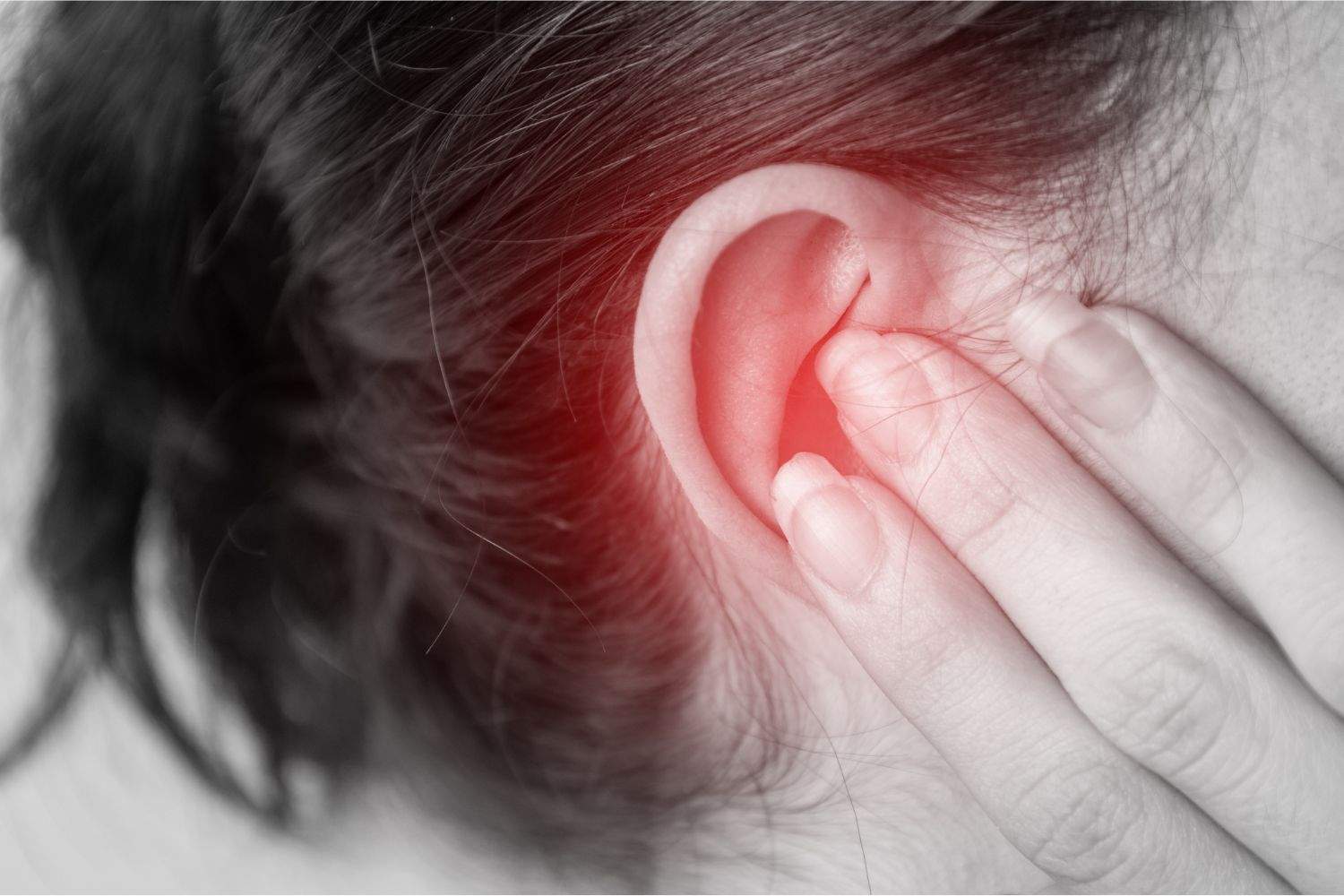
Tinnitus is an intermittent or constant ringing, buzzing, or hissing in the ears that can make it hard to sleep, focus, or go about your day. Many people wonder if caffeine causes tinnitus or which foods they should avoid to get relief. What you eat can make tinnitus more noticeable, especially if your diet includes caffeine, too much salt, added sugars, or certain additives. These ingredients can affect blood flow, nerve activity, and fluid balance in your inner ear. If changing your diet does not help enough, Memorial Hearing provides advanced testing and personalized treatments for both hearing and tinnitus symptoms.
What Tinnitus Is and What Can Trigger It
Tinnitus means hearing sounds like ringing, buzzing, hissing, roaring, or clicking when there is no outside source. It can be mild or very disruptive. Tinnitus is often linked to hearing loss, loud noise, certain medications, stress, and other hearing or nerve issues. What you eat can also affect how strong your symptoms feel. Foods high in salt, caffeine, sugar, alcohol, and processed ingredients are common triggers. If lifestyle changes do not help, a full hearing evaluation can identify the cause and help you get the right treatment.
Does Caffeine Cause Tinnitus? Exploring the Impact of Caffeine
Caffeine is found in coffee, tea, chocolate, and energy drinks, and many people have it every day. It can help you feel more awake, but for some people, it can make tinnitus worse. Caffeine stimulates your nervous system, which can make ringing or buzzing in your ears more noticeable. Not everyone with tinnitus is affected by caffeine, but if you are, you might feel better by cutting back and keeping track of your symptoms.
Foods to Avoid for Tinnitus: Identifying Common Culprits
Your diet can affect how strong your tinnitus feels. Here are five foods and drinks that could make it worse:
1. Salty Foods
Eating too much salt can raise your blood pressure and upset the balance of fluids in your body, which may worsen tinnitus. High sodium intake can affect your inner ear, so choosing fresh foods rather than processed ones may help.
2. Sugary Snacks
Eating too much sugar can cause your blood sugar to spike, which affects your circulation and nerves and may make tinnitus worse. Choosing naturally sweet foods like fruit and keeping your blood sugar steady could help with symptoms.
3. Alcohol
Alcohol can change your circulation, fluid balance, and nerve activity, which sometimes makes tinnitus feel louder or more noticeable. It can also disturb your sleep, so you might notice the ringing or buzzing even more the next day.
4. Processed Foods
Additives and preservatives in processed foods can cause inflammation and nerve damage, which may worsen tinnitus. Choosing fresher, less-processed foods can help lower these risks.
5. Caffeine
Caffeine is in coffee, tea, energy drinks, soda, chocolate, supplements, and some medications, and people often consume more than they realize during the day. Repeated intake can sustain nervous system stimulation, which may make tinnitus more noticeable in the evening. Gradually reducing caffeine, spacing consumption earlier, or choosing lower-caffeine alternatives can help identify whether it affects symptom intensity.
Beyond Diet: Other Treatment Options for Tinnitus
Changing your diet and avoiding triggers like caffeine or certain foods may help reduce tinnitus flare-ups. If your symptoms continue, it is important to get a professional evaluation. At Memorial Hearing, tinnitus-certified audiologists check your hearing, look at your tinnitus symptoms, and review what might be causing them through thorough testing. Treatments can include hearing aids, sound therapy, and personalized devices like Lenire, which use targeted sound to help reduce tinnitus. If you have hearing loss, advanced hearing aids, including small and invisible options such as the Lyric device, can help you hear better and make the ringing or buzzing less noticeable.
Managing Tinnitus: From Diet to Professional Care With Memorial Hearing
Dietary choices can affect tinnitus severity, and monitoring intake of salt, sugar, alcohol, and caffeine may reduce flare-ups for some individuals. When dietary adjustments do not provide meaningful relief, or when symptoms affect sleep, concentration, or daily routines, evaluation by a hearing specialist can identify underlying causes and guide more targeted interventions.
Memorial Hearing and Tinnitus Center provides advanced testing and personalized treatments for tinnitus. Options include hearing aids, sound therapy, and new devices like Lenire, which use sound tailored to you. Our tinnitus experts carefully review each case, considering hearing changes, noise exposure, and other factors that can make tinnitus worse.
For expert tinnitus management tailored to your needs,contact Memorial Hearing to schedule a consultation and explore available solutions.
Image credit: Bilal Cetin // Shutterstock